Institutional Investing
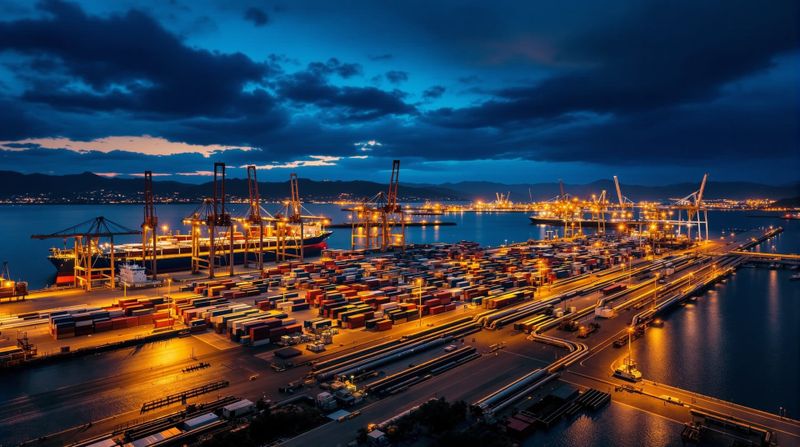
Mandates Don’t Move Minerals. Corridors Do.
Colombia and Peru moved right — but for a universal owner the Andean turn is not a pro-market rerating. It is a corridor-control event.
Original reporting and field dispatches from our contributing journalists and correspondents — on sovereign wealth, Gulf capital, energy, infrastructure and the forces repricing institutional risk.
Colombia and Peru moved right — but for a universal owner the Andean turn is not a pro-market rerating. It is a corridor-control event.
The next phase of digital finance is not crypto speculation. It is who controls the programmable rails under sovereign debt, infrastructure, real estate, energy and collateral — the assets the world’s largest owners already hold.
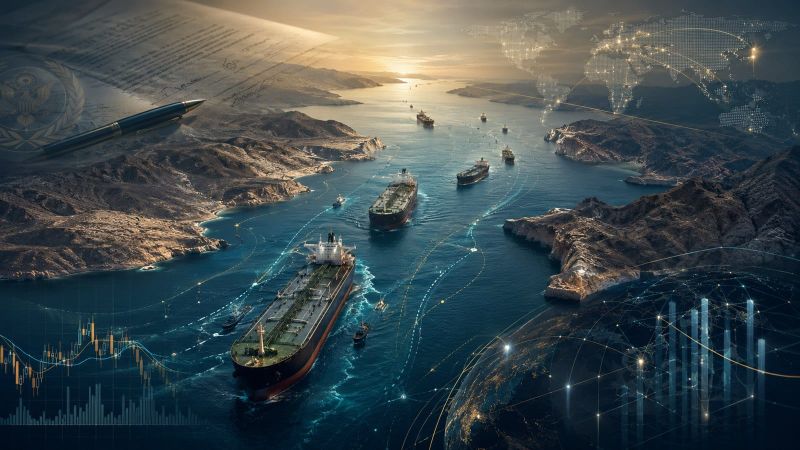
The U.S.–Iran oil waiver may lower inflation risk. But renewed attacks in Hormuz show why universal owners should watch insurance, payment channels and Gulf fiscal pressure — not just Brent.
The opportunity for sovereign funds and pensions is not simply a 6.7% yield. It is whether India's sovereign curve is becoming a permanent allocation sleeve — before index inclusion and foreign flows compress the premium.
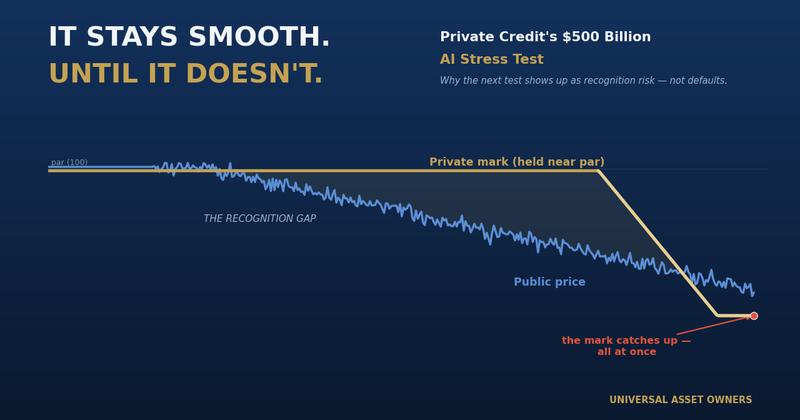
Software became direct lending's favourite trade. Now AI is repricing software economics in real time — and the first cracks will show up not as defaults, but as recognition risk. What universal owners must ask now.

Venezuela's reopening, Panama's port-control shock, and Colombia's June 21 runoff are not three isolated events. For long-duration portfolios, they are one corridor problem.
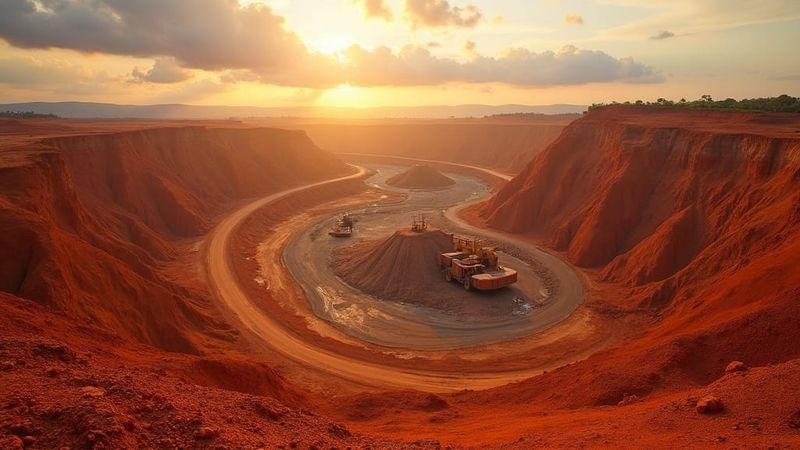
Nigeria has the geology. What it still needs is the capital architecture to turn lithium, alumina, gold, rare earths and enabling infrastructure into durable national wealth.
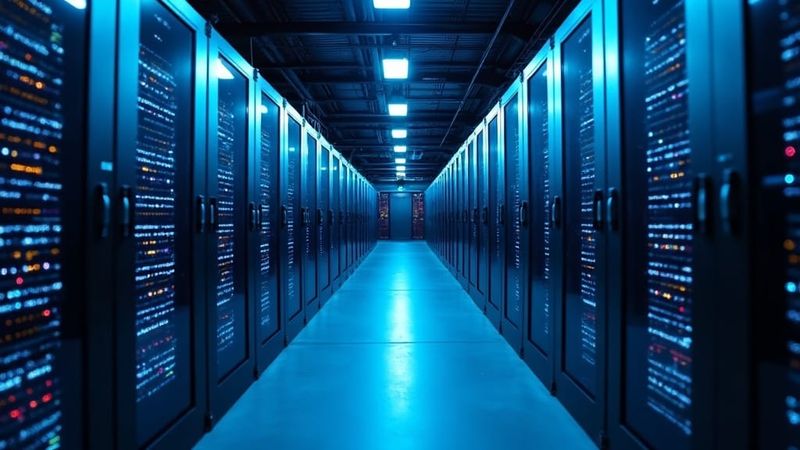
Hyperscalers are committing $700 billion to AI infrastructure in 2026. Every dollar demands power the grid cannot yet supply. Antoine Tigneres maps the 49-gigawatt gap and asks whether listed infrastructure at 2009 valuations is a mispricing or a liquidity discount worth holding.
Data centers, grids and baseload energy are becoming the scarce assets behind the AI boom — and long-term capital may be the natural owner.
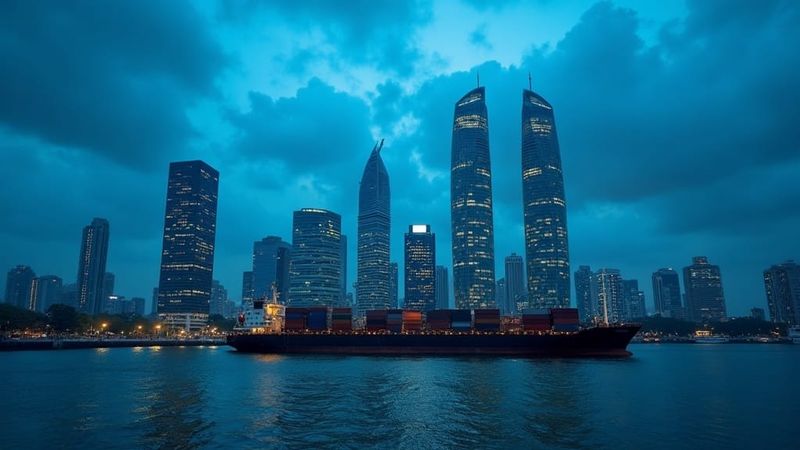
For universal owners, the U.S.-India dispute is not just a bilateral trade story. It is a warning that even strategically aligned markets can become unstable when tariffs, energy security, Russia policy, agriculture and domestic politics collide.
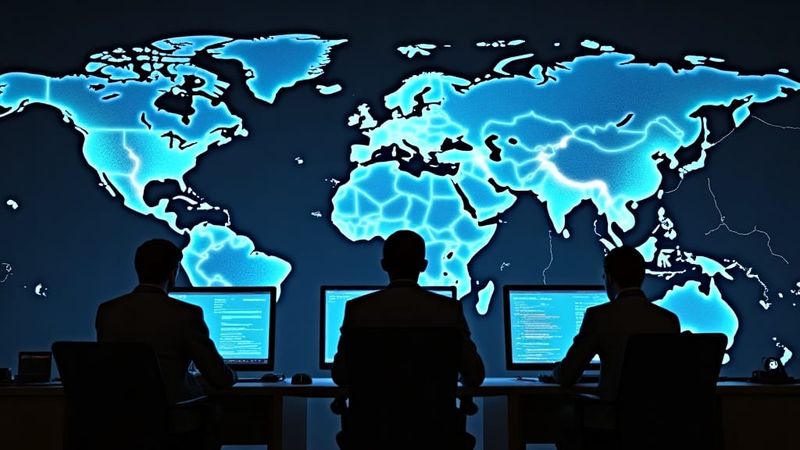
Nations now treat AI the way they once treated oil. A field guide to the sovereign-AI race: who leads, who is catching up, and what AI independence means for capital and security.

The closure of the Strait of Hormuz is rippling through energy and financial markets, driving repricing pressure across shipping, insurance, inflation and investment risk.
Universal Asset Owners is reported by a growing international network of contributing journalists and correspondents. See the masthead, or work with us.
Research, charts, video and podcast analysis for the institutions investing at the scale of the world.
Five minutes, five days a week. Complimentary — subscriptions are reviewed by our editorial desk, and you'll receive a notice once approved.
You’re on the list. Tomorrow’s brief will arrive in your inbox.
Please enter a valid email.