The Canadian Model of Pension Investing, Explained
No approach to institutional investing has been more widely copied than the Canadian model. Here is how it works, why it outperformed, what stress it is under, and what it means for global capital.
Pension funds face a risk that is difficult to diversify away: members living longer than expected. A longevity swap is the primary financial tool for transferring that risk to an insurer or reinsurer.
South Korea's NPS crossed $997 billion in 2025 and is systematically shifting toward global equities and private markets. Here is how this third-largest pension fund in the world invests.
OMERS manages retirement savings for Ontario's municipal sector workers. Here is how it invests, what drove its 6% return in 2025, and how it differs from other Canadian pension giants.
Ontario Teachers' Pension Plan pioneered direct private market investing. Here is how the fund is structured, what changed in 2025, and why it remains a benchmark for pension fund management.
How CDPQ manages Quebec's collective savings, where it invests globally, and why it has become a blueprint for large-scale direct infrastructure and private markets investing.
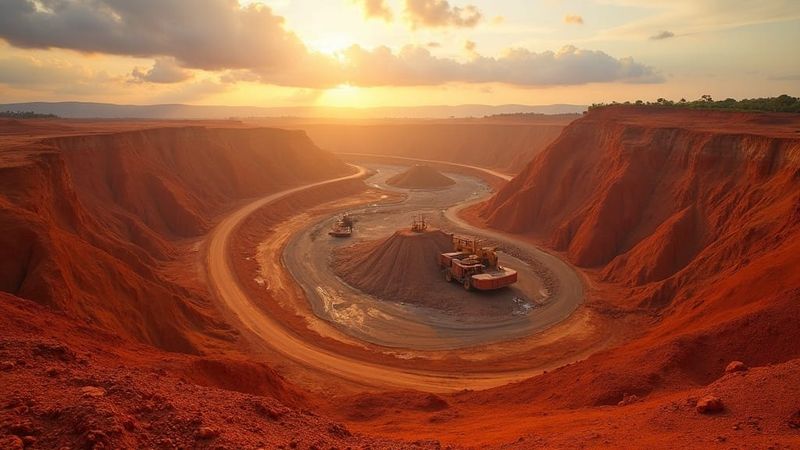
Nigeria has the geology. What it still needs is the capital architecture to turn lithium, alumina, gold, rare earths and enabling infrastructure into durable national wealth.
Agent-based stress test of 'Stock-bond correlation regime break — the 60/40 / LDI hedge fails' — 5 blind-spot probes for the desk. 0pp, calibration-gated.
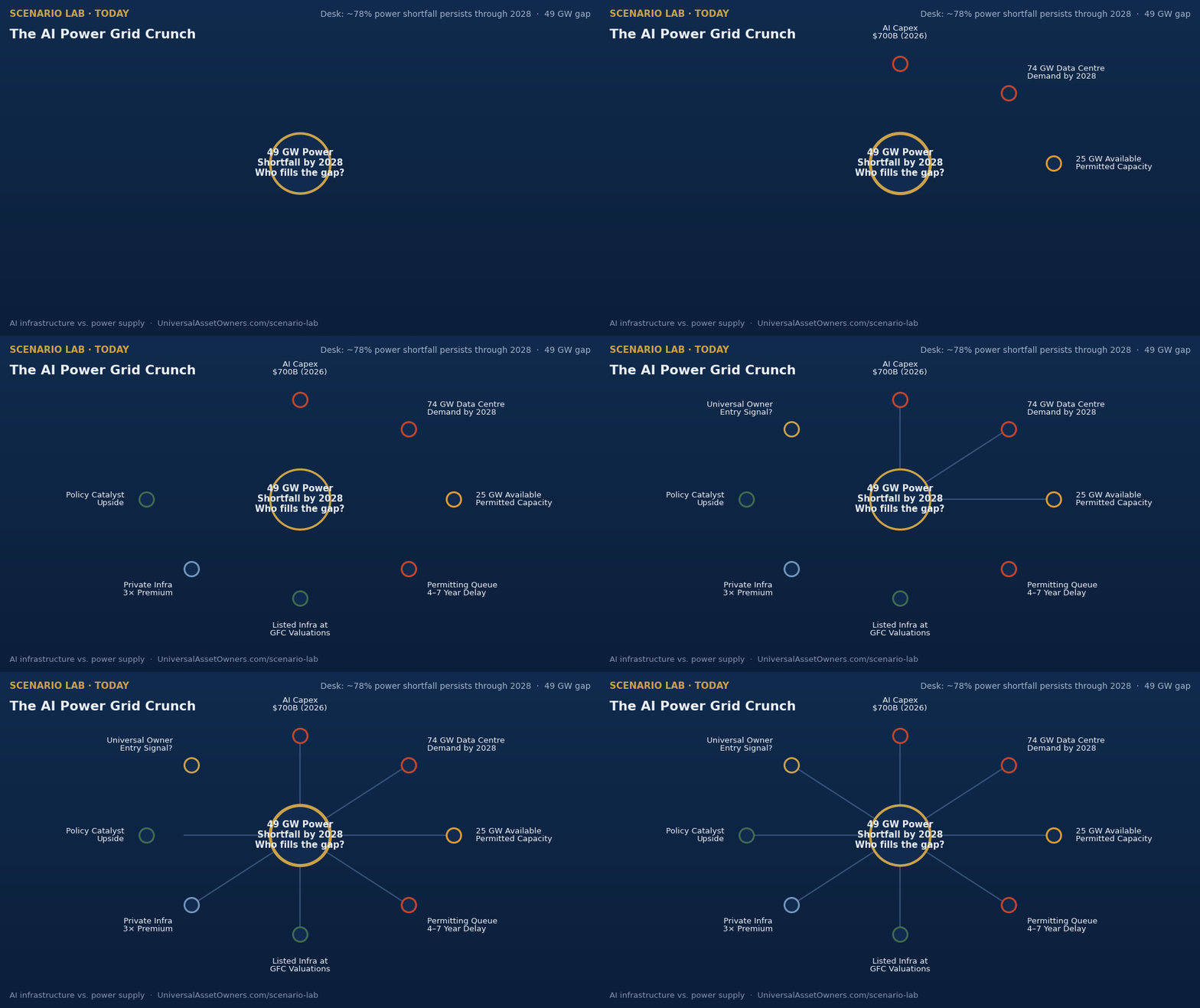
Hyperscalers are committing $700 billion to AI infrastructure in 2026. Every dollar demands power the grid cannot yet supply. Antoine Tigneres maps the 49-gigawatt gap and asks whether listed infrastructure at 2009 valuations is a mispricing or a liquidity discount worth holding.
$700B in AI capex. 49 GW of missing power. Listed infrastructure at 2009 prices.
Data centers, grids and baseload energy are becoming the scarce assets behind the AI boom — and long-term capital may be the natural owner.
US markets closed for Juneteenth. Three stories: a 49 GW power shortfall priced at GFC lows, Asia's sovereign rebalancing, and private credit's institutional-retail divergence.