The allocation nobody voted on
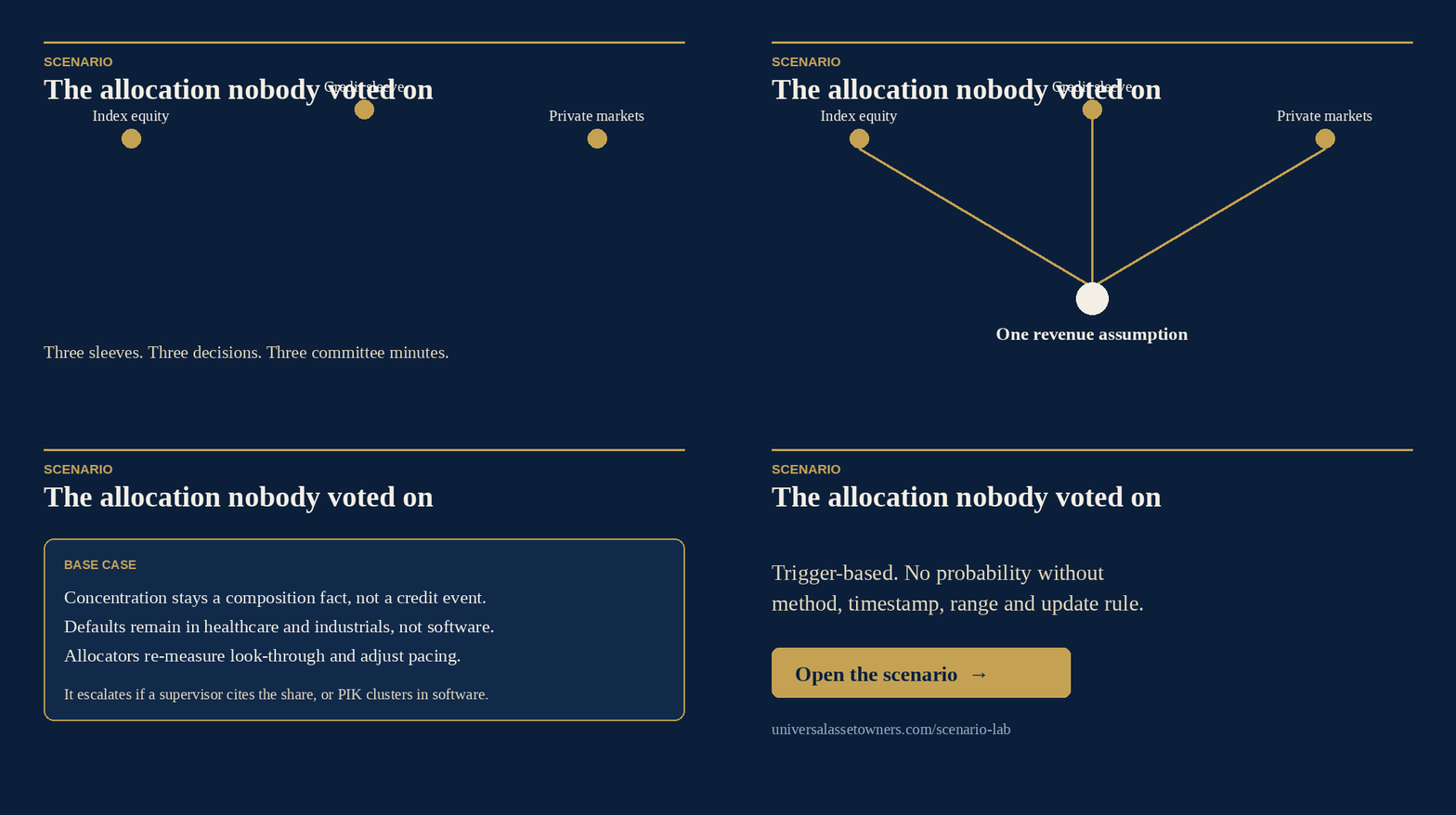
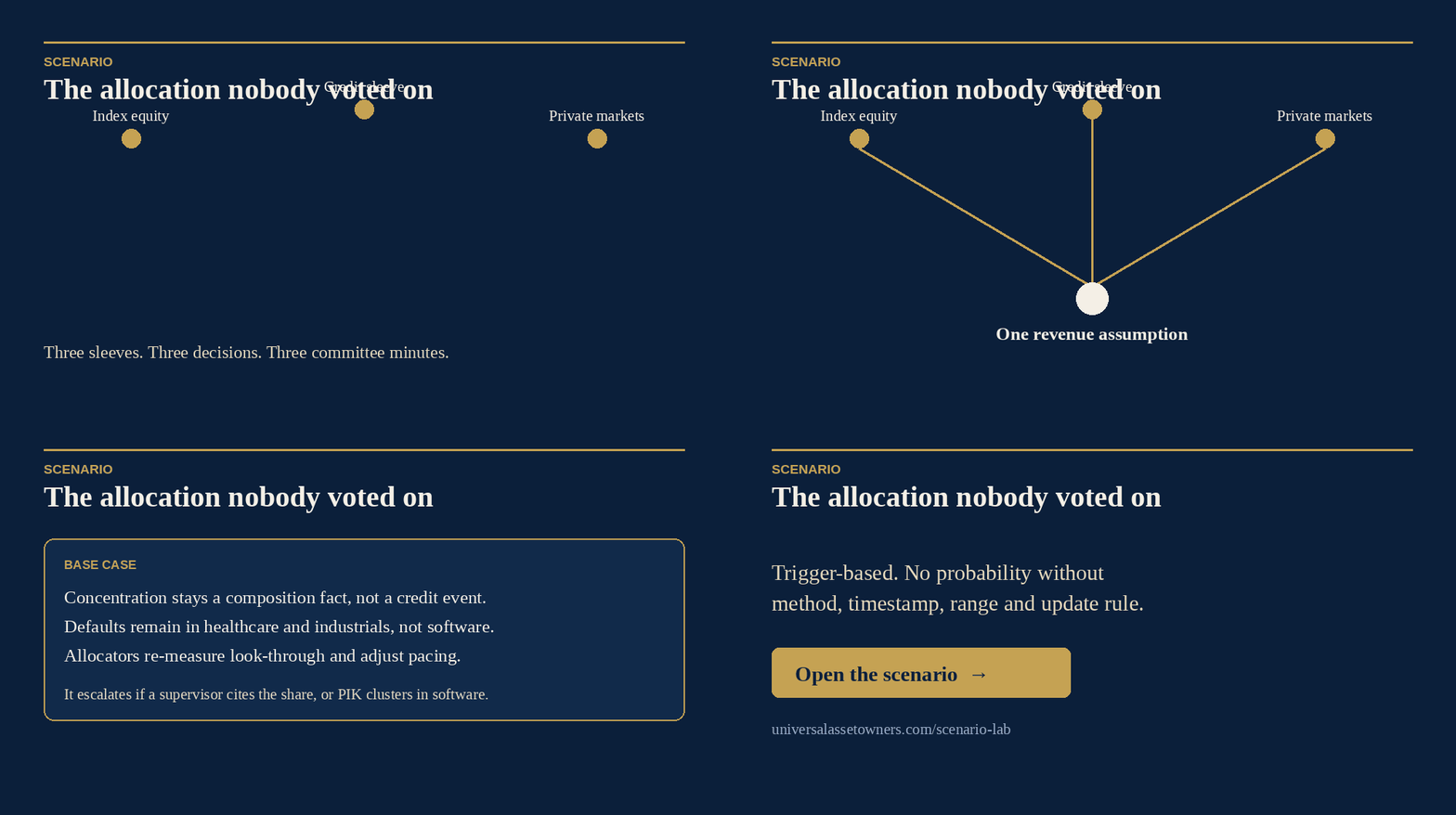
Technology exposure inside private-credit books is a composition fact today. This scenario tracks whether it becomes a credit event — and what would have to happen first.
This is trigger-based. No probability appears here, because none can be stated with a method, a timestamp, a range and an update rule. A number without those four is decoration.
Base case
Concentration stays a composition fact rather than a credit event. Defaults remain concentrated in healthcare and industrials rather than software. Allocators re-measure look-through exposure at the next quarterly review and adjust pacing rather than positions.
It escalates if —
- a national supervisor cites the concentration in a financial-stability review, turning a measurement into a capital or disclosure requirement;
- a 2026 vintage shows PIK or amendment activity concentrated in software names rather than spread across the book;
- non-traded vehicle repurchase requests stay near twice the cap for two further quarters and trustees read a gate as stress rather than design;
- AI-damage exclusions become standard at January 2027 renewals, removing a recovery the credit was underwritten assuming.
It de-escalates if —
- the equity-financed structure is tested by a real drawdown and holds;
- January renewals add affirmative AI cover;
- technology borrowers refinance into public markets, reducing the private share.
What would change our mind
A clean default series showing technology sleeves performing no worse than the rest of direct lending through a full cycle. That is the single observation that would retire this scenario, and we would say so.
The observable to watch
Not spreads. The dispersion of spreads. The BIS measured the interquartile range compressing from 3.25 percentage points to 1.75 while the share of borrowers without operating earnings rose from 23% to 46%. A re-widening of that band would be the earliest honest signal that the market has started pricing the difference again.
Editorial scenario analysis for long-horizon owners. Not investment, legal or actuarial advice. Read the edition: The allocation nobody voted on.